
How We Design a Piece Out Level
Every board in the game went through the same pipeline: a mechanic to explore, a paper sketch, a solver hunt for shortcuts, and weeks of playtesting. Here is the whole process.
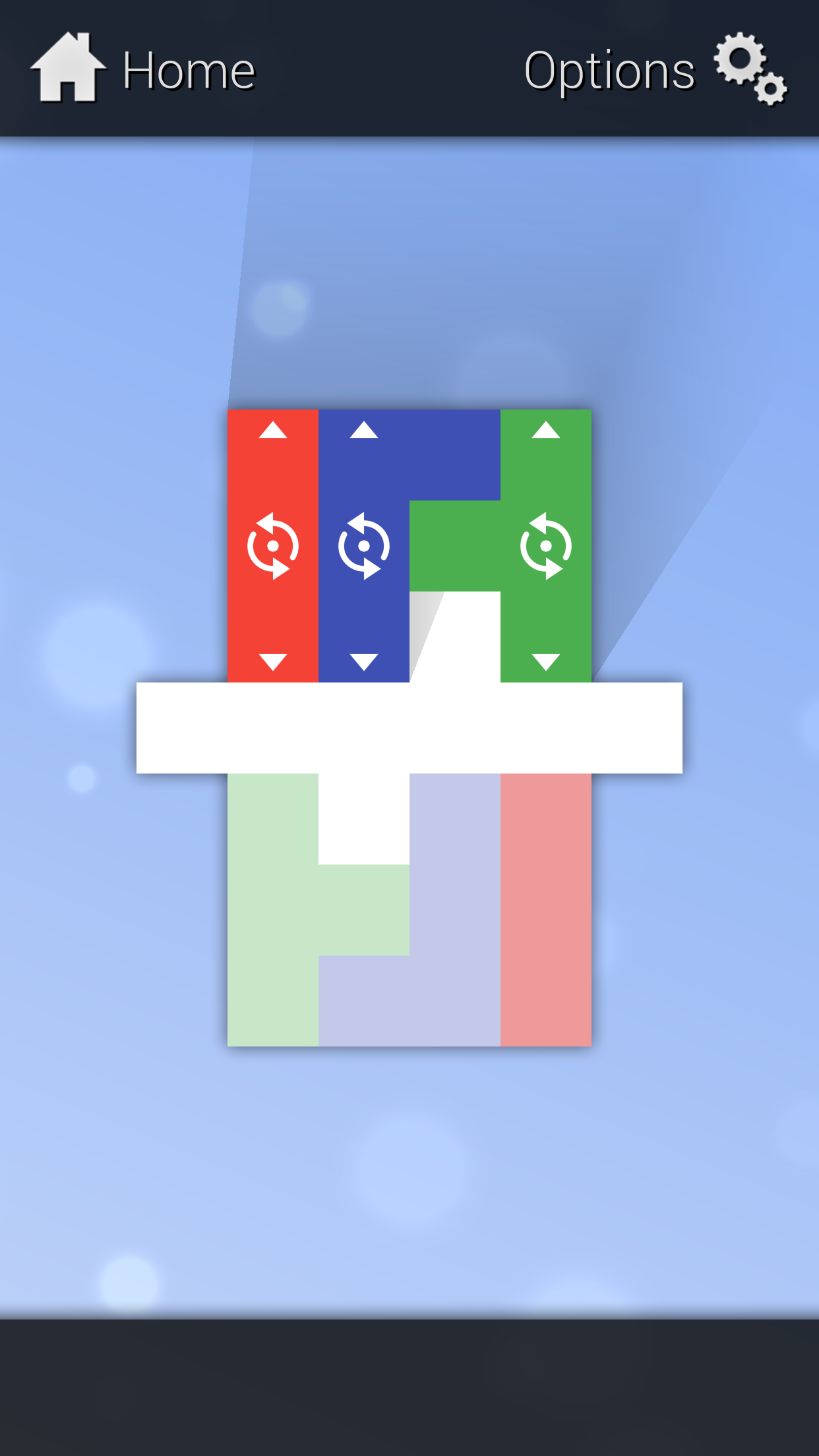
Every level starts with a question
A Piece Out board never begins as a grid. It begins as a question like: what happens when a mirror piece can only rotate clockwise? Or: can a corridor be so tight that only a specific orientation fits? If the question has an interesting answer, it can sustain a board, sometimes a whole chapter.
Paper first, software second
Design sketches happen on squared paper because it is faster than any tool we have built. A promising sketch gets digitised into our internal editor, which enforces the game's rules and flags impossible configurations instantly.
The shortcut hunt
Once a board is solvable, the real work starts: trying to break it. Testers, and occasionally our solver tools, hunt for solutions shorter than the intended one. A shortcut means the board was too generous; we tighten it until the elegant path is also the shortest path. Roughly a third of candidate boards die at this stage.
Difficulty is a dial, not a switch
Playtests with real players calibrate where a board belongs. The same puzzle can be tutorial-easy with one extra open cell, or expert-tier with one cell removed. We adjust walls the way a sound engineer adjusts faders, a little at a time, until the intended solve feels earned rather than discovered.
The hint is part of the design
Every shipped board includes a full step-by-step hint, written alongside the solution rather than generated after. It is one reason custom commissions take days, not hours: the hint has to teach, not just reveal.
Key takeaways
- Boards begin as mechanical questions, not grids
- Every candidate is hunted for shortcut solutions
- Single-cell changes can move a board from easy to expert
- Hints are authored with the board, not generated after
Kumobius Level Team
The Melbourne-based designers who built the Piece Out campaign and still tune every board by hand.
About this topic
Common questions readers ask after this article. More answers live on the FAQ page.
Play the puzzle behind the article
Piece Out is free on Google Play: 700+ boards, a daily puzzle, and zero timers. Download it and test the ideas from this post yourself.