
What Spatial Puzzles Actually Do to Your Brain
Decades of research on spatial training shows real, measurable transfer. Here is what the science says about games like Piece Out, and what it does not.
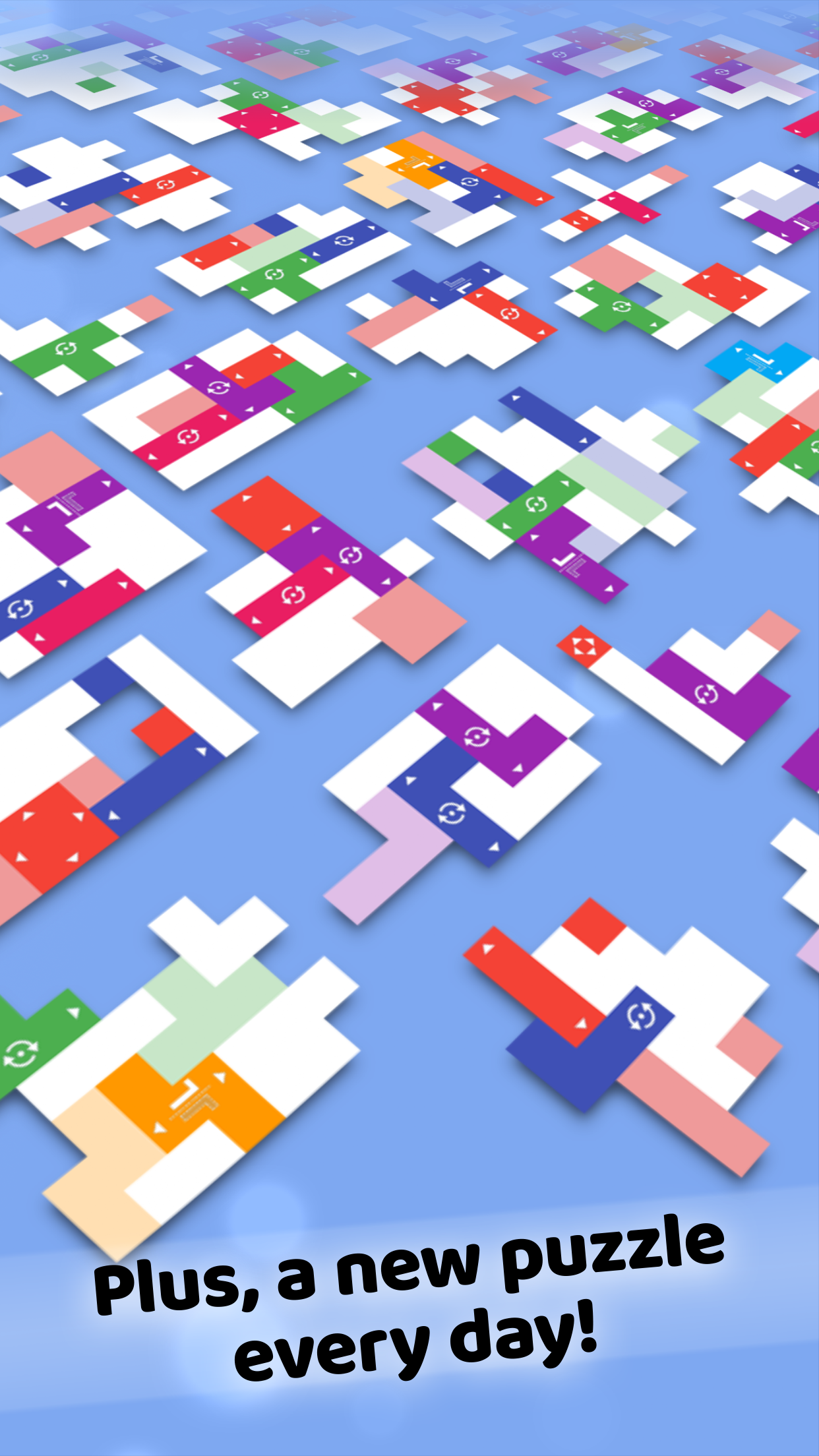
Spatial skill is trainable
The most-cited result in this field comes from a 2013 meta-analysis covering more than two hundred studies: practising spatial tasks reliably improves performance on other spatial tasks, and the gains transfer to tasks people never trained on. Rotation, the exact skill Piece Out drills, shows some of the largest effects.
That transfer is why engineers, surgeons and pilots are routinely given spatial training. The brain treats mental rotation as a general-purpose tool rather than a party trick.
What the research does not claim
No honest scientist will tell you a puzzle game raises IQ. The gains are specific: you get better at imagining how objects move through space, how shapes compose and decompose, and how to hold a transformation in mind. For most adults, that shows up in oddly practical places, packing a car boot, reading flat-pack instructions, parallel parking.
Why untimed play matters
Stress degrades the working memory that spatial reasoning runs on. Piece Out was deliberately built without timers for exactly this reason: relaxed players hold more of the board in their head at once. Timed modes exist in our season events, but they are training for competition, not cognition.
Short sessions beat marathons
The studies with the strongest transfer effects share a pattern: frequent, brief practice. Ten minutes a day outperforms an hour on Sunday. It is the single best argument for the daily puzzle format, one board, every day, forever.
Key takeaways
- Spatial training transfers to untrained spatial tasks
- Benefits are specific, not a general IQ boost
- Untimed play protects the working memory puzzles rely on
- Daily short sessions outperform weekly long ones
Kumobius Level Team
The Melbourne-based designers who built the Piece Out campaign and still tune every board by hand.
About this topic
Common questions readers ask after this article. More answers live on the FAQ page.
Play the puzzle behind the article
Piece Out is free on Google Play: 700+ boards, a daily puzzle, and zero timers. Download it and test the ideas from this post yourself.