Community Spotlight: How Top Solvers Think
We asked five of the fastest players in the community to narrate their process. Their answers share a structure anyone can borrow.
They all read before they move
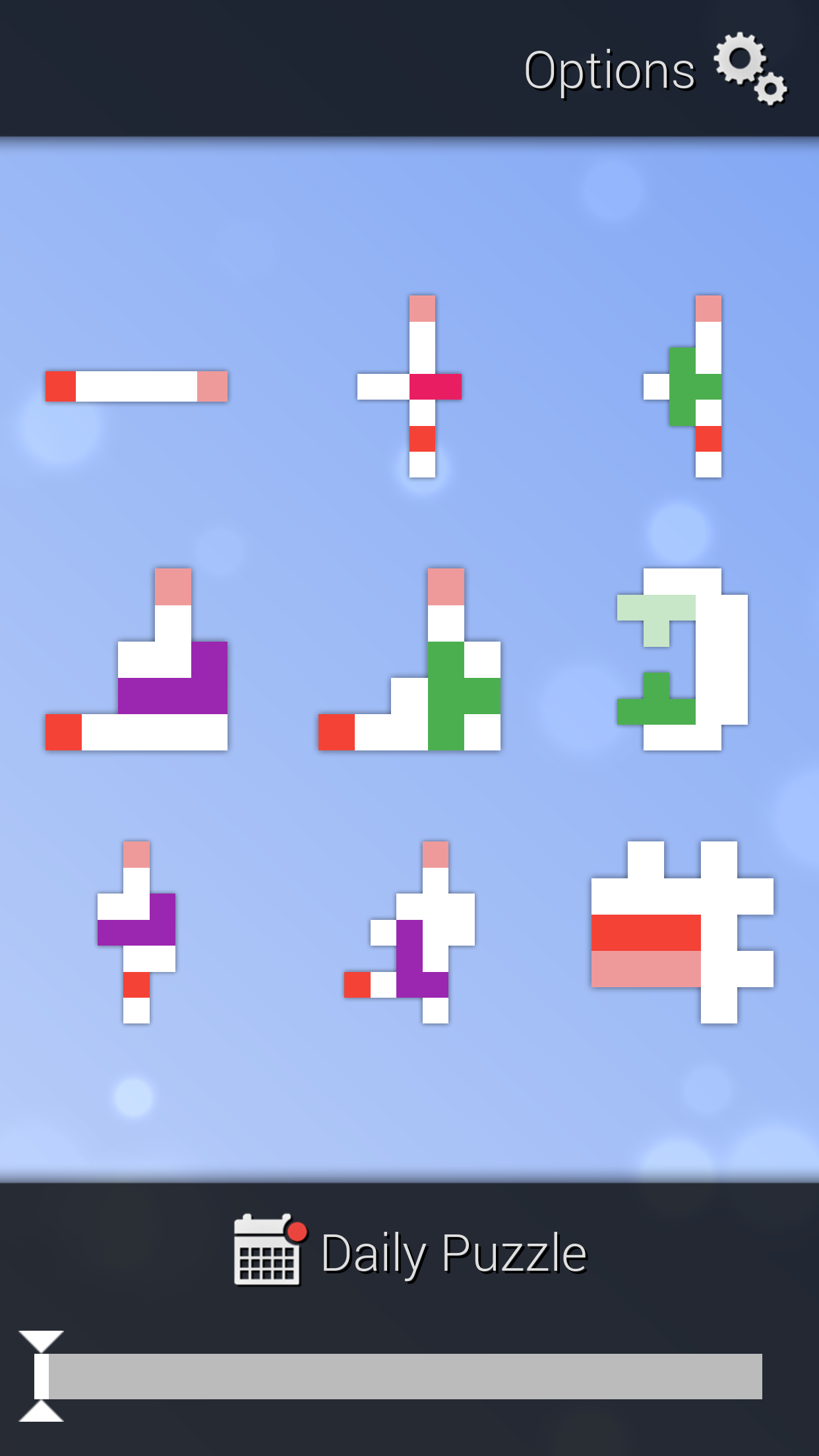
Every solver we interviewed described the same opening: a silent scan of the board, often thirty seconds or more, before the first move. They inventory the pieces, note the locked ones, and locate the goal shadow's required orientation. Fast times are earned in the pause, not the play.
They think in chunks, not moves
Top solvers do not count individual taps; they count phases. 'Free the left corner, park the L-piece, run the goal piece home' is how a board exists in their head. Chunking compresses a twenty-move line into three memorable units, which is why they rarely lose track mid-solve.
They embrace the ugly first solve
Every expert admitted their first solution is usually messy, sometimes absurdly so. The elegant line comes from the second and third runs once the board's logic is known. Perfection on attempt one is a myth even at the top of the ladder.
They study the designers' habits
Long-time players learn our tells: where we hide the critical move, which mechanics we pair, how par relates to the intended line. It is a quiet conversation across the board, and it is why knowing how boards are made genuinely makes you faster.
They play less, more often
Not one top solver described marathon sessions. The pattern is the daily puzzle plus a handful of boards, most days. Consistent short exposure builds the pattern library that speed depends on.
Key takeaways
- Scan the whole board before the first move
- Plan in phases, not individual moves
- First solves are supposed to be ugly
- Daily play beats weekend marathons
Kumobius Level Team
The Melbourne-based designers who built the Piece Out campaign and still tune every board by hand.
Keep exploring
About this topic
Common questions readers ask after this article. More answers live on the FAQ page.
Play the puzzle behind the article
Piece Out is free on Google Play: 700+ boards, a daily puzzle, and zero timers. Download it and test the ideas from this post yourself.